
The Books of the Dead
Dead SoulsThis theme follows the transformation of dead peasants from taxable names into a moral question about how records make human lives disappear.
increasing Bearing strength in each event
 decreasing
Bearing strength in each eventdecreasingA Census That Outlives People
A Census That Outlives People
Administrative Persistence
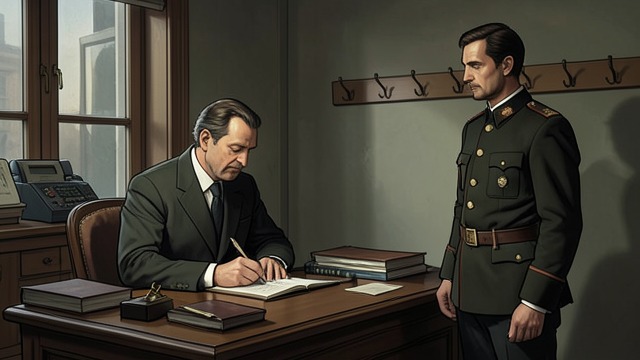
The revision lists record serfs at intervals, and taxes remain due for people who have died since the last count. A bureaucratic record therefore preserves a legal identity beyond a person’s life.
A Profit in Absence
Landowners may find the tax burdensome, while Chichikov sees an opportunity to buy the listed names. The system turns the gap between a document and lived reality into the engine of the plot.
Names Become Inventory
Names Become Inventory
Negotiated Entries
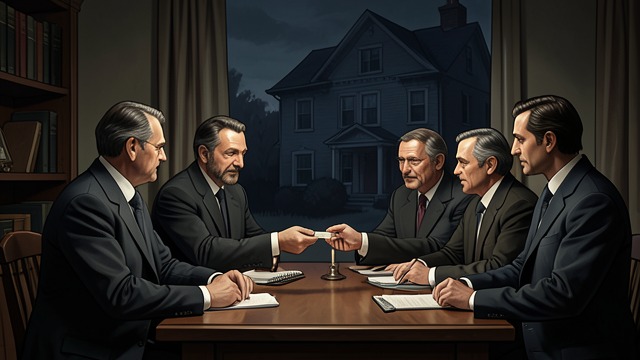
Landowners discuss deceased peasants in terms of price, tax, and transfer. Their names move from one owner’s register to another even though the people themselves are gone.
Human Traces Remain
The lists sometimes preserve a trade, a reputation, or a family detail. Those fragments resist the purely financial view by suggesting individual lives behind the entries.
A Documented Fortune
A Documented Fortune
Transfer by Deed
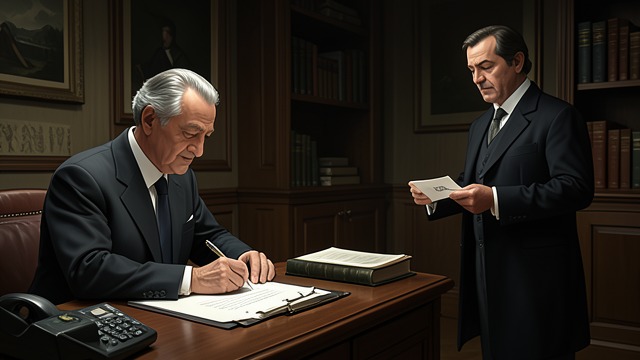
Officials register the purchases using forms and signatures, treating the dead serfs as administratively transferable property. The paperwork gives the transactions an appearance of legitimacy.
Reality and Legibility
The local office makes the fiction usable because it values properly completed documents over the actual presence of the people named. Bureaucratic recognition becomes more powerful than physical reality.
Runaways on the Register
Runaways on the Register
Uncertain Absence
Plushkin’s records include runaway serfs whose whereabouts are unknown. Chichikov considers acquiring their names alongside those of people who have died.
Different Kinds of Disappearance
The dead and the fugitive occupy the same paperwork but represent different human realities. Their shared status as absent entries reveals how the system reduces distinct lives to a countable liability or asset.
A Name Beyond Its Use
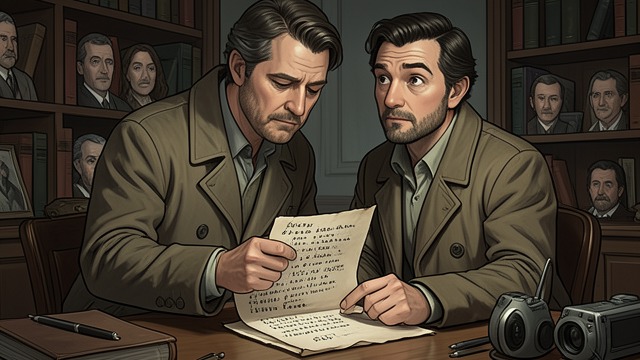
A Name Beyond Its Use
Imaginative Recovery
Chichikov reads the lists and imagines the occupations, habits, and deaths of the named peasants. For a moment, the administrative entries become individual stories in his mind.
An Unresolved Contradiction
His sympathy does not undo his exploitation of the names. The passage holds together an imaginative recognition of the dead and a scheme that treats their legal presence as capital.
Under the imperial revision system
During Chichikov’s estate visits
At registration in the local office
At Plushkin’s estate
As Chichikov prepares the purchase deeds
